How Much Does It Cost to Charge an EV at Home in Vaughan?
Most Vaughan drivers spend $30 to $65 a month charging at home when they charge overnight on Alectra time-of-use rates. For a daily commuter heading down to the city, that is a fraction of what the same kilometres cost in gasoline.
Published
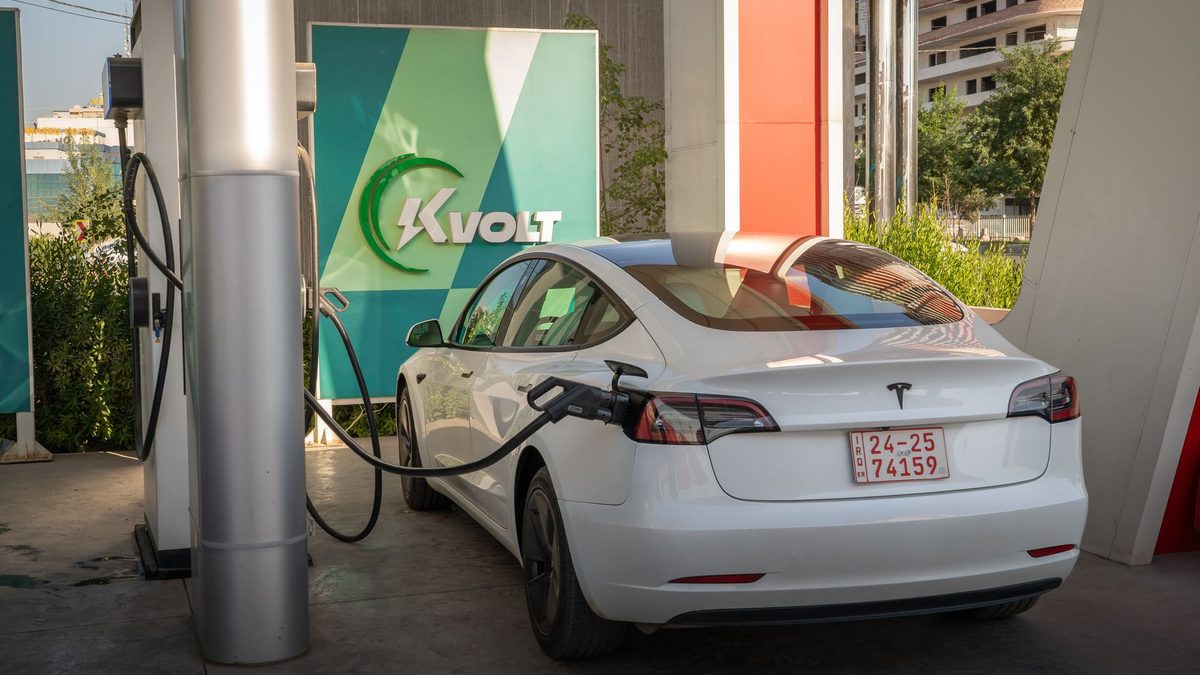
The charger is in, so now the question is what it costs to run, and for Vaughan drivers the answer is reassuring. Vaughan EV Charger Pros times every install to draw its power in Alectra's cheapest overnight stretch, so even a long haul down to the city lands on a monthly figure most owners find easy to live with. This guide shows the math, with monthly examples you can map to your own driving.
What a Vaughan household actually pays per month
Skip the formula for a moment and look at real numbers for the homes we wire here. A single commuter, a daily commuter heading down to the city, and a two-EV double garage cover most of Vaughan, and the off-peak cost lands lower than people expect in every case. These figures all assume charging in the cheapest overnight Alectra block.
| The Vaughan household | Energy drawn | Overnight monthly cost |
|---|---|---|
| One car, lighter commute, about 1,200 km | about 216 kWh | roughly $30 to $42 |
| One car, daily city commute, about 1,800 km | about 324 kWh | roughly $45 to $63 |
| Two EVs sharing the garage, about 2,400 km | about 432 kWh | roughly $60 to $84 |
Move any of these to a peak afternoon and the same kilometres cost noticeably more, which is the entire argument for scheduling.
The math behind those rows
Each figure above comes from the same three inputs, so you can redo it for your own driving. Take your monthly distance, apply your car's efficiency of roughly 15 to 20 kWh per 100 km, and multiply by your overnight Alectra rate. Because a Vaughan-to-downtown commuter clocks real kilometres, the result is more meaningful here than for a short-trip household, and it is why the overnight rate, not the charger, is the lever that controls the bill.
Two EVs and the family bill
Because two-car ownership is the Vaughan norm, the most common question is whether a second EV doubles the bill. It does not. Cost scales with kilometres, and two EVs that each drive moderate distances often cost less combined than people assume, since both fill overnight at the off-peak rate. Power sharing on a Tesla setup or a managed Level 2 pair keeps both cars in the cheap window without straining the panel. A second EV adds its own kilometres but not a second peak charge, so the family running cost stays predictable rather than jumping.
Why overnight charging wins on Alectra
Alectra bills residential customers on time-of-use or tiered pricing, and the overnight window is the cheapest rate of the day. A Level 2 charger set to start after off-peak begins fills the car at the lowest price while the household sleeps. Our Alectra rates guide breaks down the billing windows in detail.
The Level 1 versus Level 2 myth
A common worry is that Level 2 charging costs more to run. It does not. The energy to add a kilometre of range is identical either way. Level 2 simply delivers it faster, which actually helps, because a quick fill finishes inside the cheap overnight window while a slow Level 1 cord can spill into pricier morning hours.
Smart charging that saves on autopilot
A smart charger automates the savings. You set it to charge only during off-peak hours, and many units report exactly how much energy and money each session used. Some respond to app schedules so you never think about it. Across a year, the gap between scheduled and unscheduled charging is real money, and on a household charging a heavy commute it can easily be the cost of a few tanks of gas. The setup pays for the small effort of configuring it once, then quietly works every night after.
The comparison with gasoline
For context, a gas car driving 1,800 km a month can easily cost $200 to $250 in fuel. The same distance in an EV charged overnight in Vaughan is closer to $45 to $63. That gap is the running-cost case for electric, before you count the savings on maintenance. Your driveway becomes a private fuelling point that opens every night at the lowest price in the city.
What to send before requesting a quote
- Your EV model and roughly how far you drive each month
- A photo of your panel, so we can size a charger that finishes overnight
- Where you park, and whether a second EV shares the home
Want a charger that fills at the cheapest Alectra hours automatically? Tell the Vaughan EV Charger Pros team about your driving through the quote form and we will spec a Level 2 setup tuned for low overnight running costs.
Frequently asked
What does a daily city commuter in Vaughan pay to charge at home?+
Around $45 to $63 a month for roughly 1,800 km, charging overnight on Alectra time-of-use rates. A lighter single-car commute runs closer to $30 to $42, and a two-EV garage around $60 to $84. Every one of those sits well below the gasoline cost for the same distance.
If we add a second EV in our Vaughan garage, does the bill double?+
No. Cost tracks kilometres, not the number of cars, so two EVs on moderate distances often cost less combined than people expect. Both fill overnight at the off-peak rate, and power sharing keeps them in the cheap window without straining the panel, so you add kilometres but not a second peak charge.
How do I work out my own Vaughan charging cost?+
Multiply your monthly kilometres by your car's efficiency of about 15 to 20 kWh per 100 km, then by your overnight Alectra rate per kilowatt-hour. That is exactly how the example figures are built, and a smart charger can report your real usage so you do not have to estimate.
Will our Level 2 charger cost more to run than the cord that came with the car?+
No. The energy to add a kilometre is identical on Level 1 and Level 2. Level 2 just delivers it faster, which actually saves money in Vaughan, because a quick fill finishes inside the cheap overnight block instead of spilling into pricier morning hours the slow cord can reach.
Does the overnight rate really matter that much on an Alectra bill?+
It is the main lever you control. The overnight block is the cheapest of the day, so scheduling your charger there minimizes the energy cost, while charging on a peak afternoon raises it noticeably for the same kilometres. The charger choice barely moves the running cost; the timing does.