EV Charger Installation Cost in Vaughan
Most Vaughan homeowners pay between $1,100 and $2,600 to install a Level 2 EV charger, permit and ESA inspection included. On the larger detached lots common here, the cable run from the panel to the parking spot is the figure that moves the price.
Published
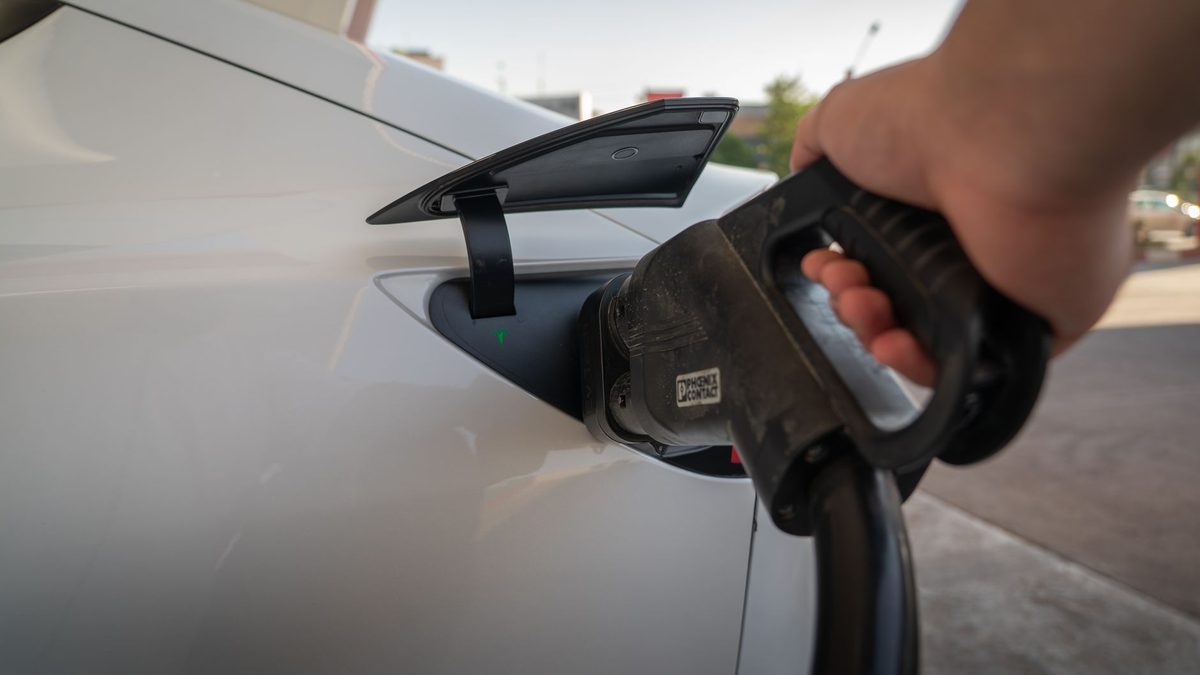
Vaughan is a city of large detached homes, newer subdivisions, and double garages, and those features shape your charger quote in specific ways. The honest range for a standard Level 2 installation here is roughly $1,100 to $2,600 with the permit and ESA inspection built in, and Vaughan EV Charger Pros sees the spread driven mostly by how far the charger sits from your electrical panel. On a generous Woodbridge or Kleinburg lot that distance can be longer than a city semi, which is the first thing a quote reflects. This guide walks through where the money goes.
Why the run, not the home, sets your number
On a newer Vaughan build the panel headroom is rarely the issue, so the figure that moves your quote is geometry: the metres of cable between the panel and where the car sits. A double garage with the panel on the same wall as the parking spot is the cheap end. A detached garage at the back of a deep Kleinburg lot, or a basement panel feeding a charger across a finished home, is the expensive end. Before you read any number, picture that path, because it explains most of the difference between two quotes on the same street.
What a Vaughan install runs by parking layout
| Your garage and lot | Typical fixed price |
|---|---|
| Newer subdivision, panel on the garage wall, car alongside | $1,100 to $1,500 |
| Detached home, charger 12 to 20 metres from the panel | $1,500 to $2,100 |
| Deep lot, detached garage, or long feed across the home | $2,100 to $3,000 |
| Same job, but a service upgrade or subpanel is needed first | add $1,500 to $3,500 |
What the fixed price actually buys
Read a Vaughan Level 2 charger installation quote as a bundle of six items rather than one lump. There is the 240-volt breaker dropped into your panel, the dedicated circuit it feeds, the cable routed and secured to your parking spot, the charger mounted and powered up, the electrical permit pulled, and the ESA inspection booked. The one line that varies is the wall unit itself, which some quotes include and some assume you bring. Settle that line before you compare two numbers, or you are comparing different things.
The extras that move a premium-home quote
On larger Vaughan homes a handful of choices nudge the price, and it pays to know them going in. A long feed to a detached garage or across a finished basement adds wire and labour. A hard-wired Tesla Wall Connector or a plug-in NEMA 14-50 outlet each carry their own labour. Sizing the feed for a second EV today, covered in our panel upgrade guide, is a small add now and a saved visit later. And where an older or all-electric home is tight, a panel upgrade or a load-managing smart charger enters the picture after a load calculation.
Where Vaughan homes come in low
The least expensive installs are the ones where the panel sits in the garage a few feet from where you park, on a modern 200-amp service. A lot of newer Vaughan builds are exactly that, which is good news. A load-managing smart charger can also let you skip a service upgrade by sharing existing capacity, which protects the budget on tighter panels.
Rebates worth checking
Incentives for home charging shift over time and come from a mix of federal, provincial, and occasionally manufacturer sources. Rather than quote a figure that may be stale, the practical move is to check the current federal and Ontario programs before you buy and ask your charger maker whether any offer applies. Keep your paid invoice and the ESA record, because rebate claims almost always require proof of a permitted, inspected install. One more reason to use a licensed contractor.
Permit, ESA, and reading two quotes honestly
An electrical permit and an ESA inspection are required for a hard-wired charger or a new 240-volt outlet, and on a home of any value a signed-off install is what stands up at resale and with your insurer. EV charger installation should be completed by an ESA-licensed electrical contractor, and both the permit and the inspection belong inside the fixed price, never billed as a surprise. When you compare two quotes, look past the total: each should name the wire gauge and breaker size, state whether the unit is supplied, confirm the permit and ESA inspection, and specify conduit for any exposed run. A lower number that quietly drops the permit or undersizes the wire is not the deal it looks like.
What to send before requesting a quote
- Your EV make and model, or the charger you intend to use
- A photo of your electrical panel with the door open
- A photo of where you park and where you want the charger mounted
- Rough distance from the panel to that spot
A firm number comes back quickly once we can see the panel and the run. Send your photos and details through the quote form and EV charger installers in Vaughan will reply with a single fixed price, permit and inspection included.
Frequently asked
What does a home EV charger cost to install on a Vaughan lot?+
Plan on roughly $1,100 to $2,600 for a standard Level 2 install with the permit and ESA inspection inside the price. On the larger lots common here, the cable distance from your panel to the parking spot is what mostly sets the figure. A job that needs a service upgrade first costs more, which a load calculation confirms.
My neighbour paid less for the same charger, why?+
Almost always the run. Two Vaughan homes on one street can differ by over a thousand dollars purely because one panel sits beside the parking spot and the other feeds a detached garage at the back of a deep lot. The hardware can be identical while the metres of cable and the labour are not.
Does the quote include the wall charger or just the work?+
Check that line specifically. Some Vaughan quotes bundle the unit and some assume you supply your own, and a quality Level 2 charger is roughly $400 to $1,000 on its own. Confirm whether a number is install-only or install plus hardware before you set two quotes side by side.
Is my newer Vaughan home likely to need a service upgrade?+
Usually not. Most newer subdivisions here were wired with a 200-amp service that takes a charger comfortably, so the upgrade line rarely applies. Older or all-electric homes are the ones more likely to be tight, which a load calculation settles, and load management can often avoid the upgrade anyway.
Can I skip the permit to save money on a Vaughan install?+
No, and it is a false economy. A hard-wired charger or a new 240-volt outlet legally needs an electrical permit and an ESA inspection in Ontario, and a reputable installer folds both into the fixed price. An uninspected charger can surface as a problem at resale and with your insurer, so it is not a corner worth cutting.