Garage vs Driveway EV Chargers in Vaughan
For most Vaughan homes a garage charger is the simplest and tidiest choice, but a driveway mount makes sense when that is where the car lives. Cable length, weather rating, and the run from your panel decide which is right for your home.
Published
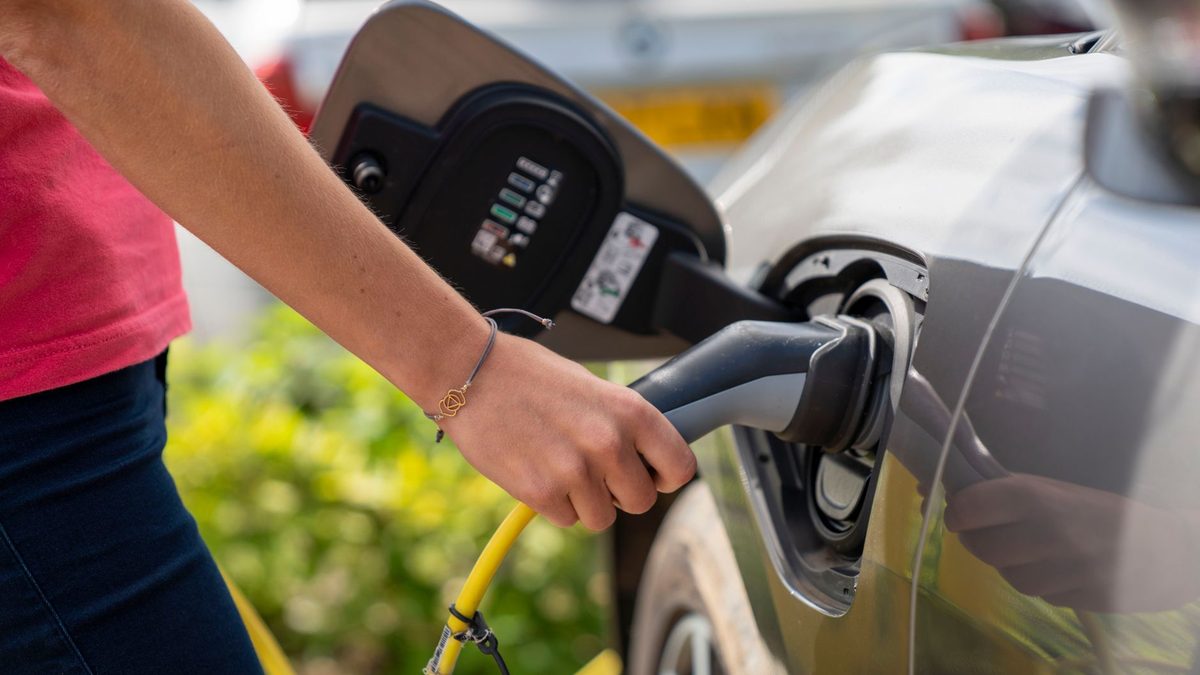
Where should the charger go, in the garage or on the driveway? It is one of the first questions Vaughan homeowners ask, and the right answer depends on your home, not a rule of thumb. Vaughan EV Charger Pros installs both across the city, and this guide lays out the trade-offs so you can pick with confidence before requesting a quote.
The case for a garage charger
For most Vaughan homes the garage is the natural spot. The panel is often right there, so the run is short and the install is clean. The unit lives out of the weather, the cable stays tidy on the wall, and you plug in under cover on a winter night. If your car parks in the garage and the panel is close, this is usually the easiest and least expensive setup.
The case for a driveway charger
Plenty of Vaughan households park on the driveway, whether the garage is full of a second vehicle, storage, or a workshop. In that case mounting the charger where the car actually sits beats running a cable out of the garage every night. A driveway charger is entirely workable, it just asks for outdoor-rated equipment and a bit more planning on the feed.
Garage versus driveway at a glance
| Factor | Garage | Driveway |
|---|---|---|
| Cable run from panel | often short | can be longer |
| Weather exposure | protected | needs outdoor-rated unit |
| Convenience | plug in under cover | charge where you park |
| Typical cost | lower | slightly higher |
Weather rating for a driveway unit
A driveway charger lives outdoors through Ontario winters, so the unit and every connection must be rated for it. We use outdoor-rated chargers, weatherproof enclosures, and proper sealing so snow, rain, and freeze-thaw cycles cause no trouble. A Tesla Wall Connector or a universal Level 2 unit rated for outdoor use both handle a Vaughan driveway well.
Cable length and panel distance
The run from your panel is where the two options separate on cost. A garage charger near a garage panel is a short feed. A driveway charger, especially on a larger lot, can mean a longer run, and a long run introduces voltage drop that we offset by sizing the wire correctly, sometimes a heavier gauge. That wire sizing should never be trimmed to save money, because it protects charging speed and safety over the distance.
The plug-in middle ground
If you want flexibility, a NEMA 14-50 outlet in the garage lets you run a plug-in charger and unplug it when needed, which suits a household that parks inside but wants the option to move the unit. It is a tidy compromise between a fixed garage mount and a permanent outdoor install. It also makes sense if you expect to change vehicles or take the charger with you on a move, since the outlet stays and the unit travels.
Snow, salt, and a driveway setup
A Vaughan driveway means dealing with winter directly, and a little planning at install time pays off. We mount a driveway unit at a height that keeps the connector clear of snow buildup, position it so plows and shovelling do not catch the cable, and seal the feed against salt spray and meltwater. Quality outdoor-rated equipment handles all of this without complaint, so a driveway charger is a year-round setup, not a fair-weather one. The aim is a unit you never think about, whether it is January or July.
Panel capacity applies either way
Garage or driveway, the same capacity question holds. We run a load calculation to confirm your service can carry the charger, and where a panel is tight a panel upgrade or a load-managing smart charger keeps the install safe. The placement decision does not change the electrical homework.
Permit, inspection, and doing it once
Both setups are permitted, inspected installs. EV charger installation should be completed by an ESA-licensed electrical contractor, with the permit and ESA inspection inside the fixed price and the outdoor terminations, if any, done to code. Choose the placement that fits how you actually park, and have it done properly the first time so it serves you for years.
What to send before requesting a quote
- Where the car parks, garage or driveway
- A photo of your panel with the door open
- A photo of the spot where you want the charger mounted
- Rough distance from the panel to that spot
Still weighing garage against driveway? Send your photos to the Vaughan EV Charger Pros team using the quote form and we will recommend the placement that fits your home, size the feed, and quote one fixed price with permit and inspection included.
Frequently asked
Is a garage or driveway charger better for a Vaughan home?+
It depends on where your car parks. A garage charger is usually simpler, tidier, and cheaper when the panel is close and the car parks inside. A driveway charger makes sense when that is where the car lives, and it works well with an outdoor-rated unit and a properly sized feed.
Can an EV charger sit outside through a Vaughan winter?+
Yes, with the right equipment. Outdoor-rated chargers and weatherproof terminations are built for snow, rain, and freeze-thaw cycles. We seal every connection and mount the unit so a driveway charger operates reliably year round.
Does a driveway charger cost more than a garage one?+
Often slightly, mainly because the run from the panel can be longer and the unit must be outdoor-rated. A garage charger near a garage panel is usually the least expensive option. The difference comes down to distance and equipment, not a large premium.
Does placement change whether I need a panel upgrade?+
No. The load calculation depends on your service and your home's other loads, not on where the charger is mounted. Garage or driveway, we confirm the panel can carry the charger, and load management or a panel upgrade is only needed if the numbers are tight.
Can I move the charger if I park in different spots?+
A plug-in NEMA 14-50 outlet in the garage lets you unplug and reposition a portable charger, which suits a household whose parking changes. A hard-wired unit is fixed in place but tidier. We will match the setup to how you actually park.