Level 2 EV Charger Installation in Vaughan Homes
A Level 2 charger fills a family EV overnight in a Vaughan garage, putting back roughly 30 to 50 km of range each hour on a 40A or 48A circuit, the exact figure tracking your car and the breaker we land on. For a two-car household it is the setup that quietly handles both vehicles without anyone planning around a public station.
Published
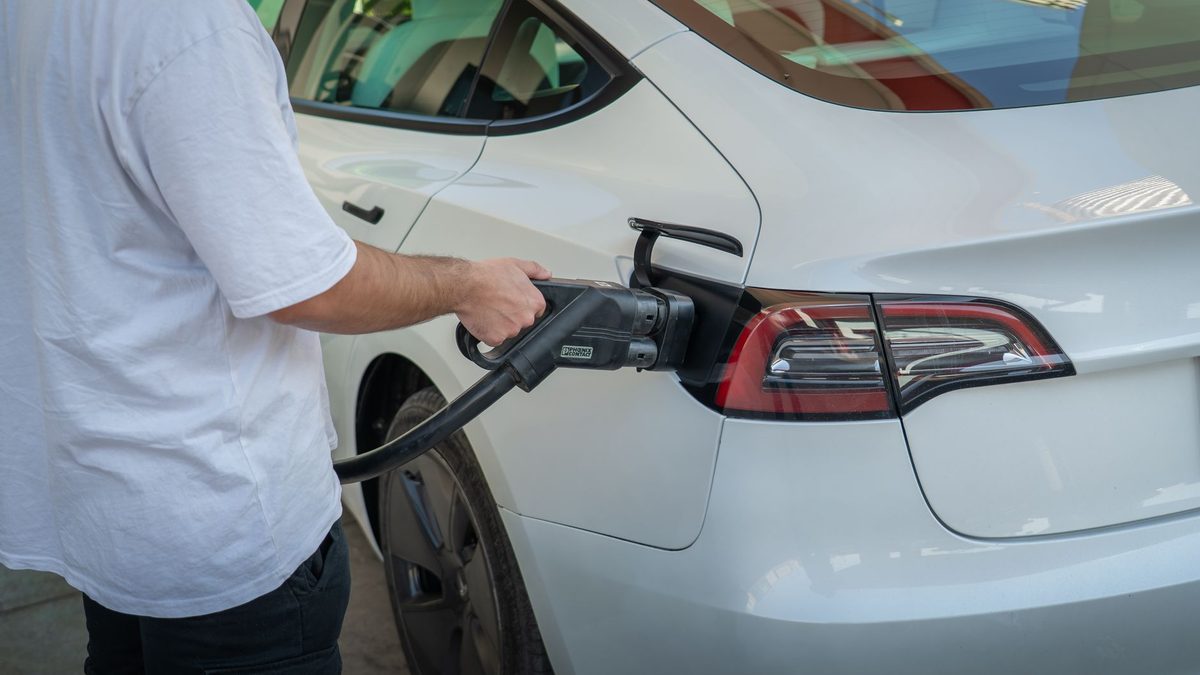
Picture a Vaughan double garage with a family SUV on one side and a sedan on the other. That is the household Level 2 charging is built for, and it is the install Vaughan EV Charger Pros handles most across the city. You retire the slow 120-volt cord and gain a dedicated 240-volt circuit that tops up the battery every night. This guide covers the speed, the circuit options, and how to set the install up so a second EV slots in later without tearing the garage open again.
Start with the second car, because Vaughan usually has one
In most cities a Level 2 guide treats the second EV as an afterthought. Here it is the starting point, because two-car ownership is the norm and a double garage is built for it. The smartest install decision a Vaughan family makes is to size the feed and pick a power-sharing unit at the first job, even if only one car is electric today. Running a slightly heavier feed or leaving panel space costs little while the walls are open and a lot once they are closed, so the second charger becomes a quick add rather than a fresh project. We flag those low-cost moves during the assessment, and the rest of this guide assumes you want the option.
Matching the circuit to one car or two
| Setup | Power to the car | The Vaughan home it suits |
|---|---|---|
| 40-amp circuit | up to 32 amps | One EV with a full overnight window to fill |
| 48-amp circuit | up to 48 amps | A bigger battery or a driver plugged in fewer hours |
| Power-shared pair | split between two units | Two EVs sharing one feed in a double garage |
The speed difference, in driveway terms
The case for Level 2 is easiest to see against the cord in your trunk. That Level 1 cord, plugged into a standard outlet, claws back maybe 6 to 8 km of range an hour, which evaporates the moment your day includes a commute down to the city or a school-and-soccer loop across the region. A Level 2 circuit running at 240 volts adds roughly 30 to 50 km an hour instead, the rate climbing with a heavier breaker and a car that can take it, so a single overnight session in the garage covers a full day of Vaughan driving with margin to spare. For a two-car household that margin is what lets both vehicles share the night without anyone planning around a public station.
Sizing the circuit to the car, not the spec sheet
Most home installs land on a 40-amp or a 48-amp circuit, and the right one depends on your vehicle rather than the biggest number available. A 40-amp circuit delivers up to 32 amps, plenty to refill nearly any EV across an overnight window. A 48-amp circuit pushes to the top speed many newer cars accept and clears a deeply drained battery faster. We match the breaker to your car's onboard limit and your panel, so you pay for speed the vehicle can actually use. In a power-sharing pair, that same sizing logic covers both cars on one feed.
The garage run in a Vaughan home
Where you park shapes the labour. A newer subdivision home with the panel in the garage and the car a few feet away is a fast, tidy job. A detached garage or a basement panel that needs cable fished up and across a larger home takes longer. We route wiring cleanly, conduit where it is exposed, and finish it neatly where it enters living space.
Hard-wired or a plug-in outlet
If you would rather not hard-wire, a NEMA 14-50 outlet lets you run a plug-in Level 2 charger and take the unit with you if you move or upgrade. It delivers the same Level 2 speed up to its rating and is a permitted install in its own right. Hard-wired is tidier and supports the highest amperage on some chargers, so we match the choice to your car and your garage. On a panel that needs care, a load-managing smart charger or a panel upgrade keeps either route safe.
Choosing the unit
Once you commit to Level 2, the brand is the next call. We install Tesla, ChargePoint, Wallbox, Grizzl-E, FLO, and Emporia, among others. What matters to a homeowner is amperage, hard-wired versus plug-in, cable length, outdoor rating, and whether you want app scheduling and energy tracking, which our smart charger page covers. We install every major brand, so the recommendation fits your household, not our stock.
What to send before requesting a quote
- Your EV model, so we size the circuit correctly
- A photo of your panel with the door open
- A photo of the garage and the planned charger location
- Whether a second EV is on the horizon
Want to see exactly what your install looks like? Send the details to the Vaughan EV Charger Pros team through our quote form and we will return a fixed price, the right circuit size, and a same-day slot where the panel allows it.
Frequently asked
Can one Level 2 circuit charge both cars in our Vaughan garage?+
Yes, with a power-sharing setup. Two units linked on a single feed take turns overnight, so a double garage charges both cars without doubling the load on your panel. We size that shared feed at the first install so the second unit is a quick add when the second EV arrives.
For our family commute, is a 40A or 48A circuit the right call?+
It depends on the car, not the headline number. A 40-amp circuit refills nearly any EV across a full overnight window, while a 48-amp circuit suits a larger battery or a driver who is plugged in for fewer hours. We match the breaker to your vehicle's onboard limit so you are not paying for speed it cannot take.
How much faster is Level 2 than the cord that came with our EV?+
Several times faster. The included Level 1 cord adds maybe 6 to 8 km of range an hour, which falls short of a real Vaughan commute, while a Level 2 circuit adds roughly 30 to 50 km an hour, settling within that band according to your car and the Vaughan circuit we size. One overnight session covers a full day of driving with margin, which is what makes sharing the garage between two cars workable.
Should we wire for a second EV now even if only one is electric?+
In Vaughan, almost always yes. Two-car ownership is the norm, so sizing the feed and choosing a power-sharing unit at the first job is cheap while the walls are open and costly once they are closed. We plan it during the assessment so the second charger slots in without reopening the garage.
Will our newer Vaughan garage panel handle a Level 2 charger?+
Usually, especially on the 200-amp service standard in newer subdivisions with the panel right in the garage. A load calculation confirms the headroom, including room for a second circuit. Where a panel is tight, a load-managing smart charger or a panel upgrade keeps the install safe.