EV Charger Installation for Newer Vaughan Homes
Newer Vaughan subdivision homes are close to ideal for an EV charger. A 200-amp service, a panel in or near the garage, and open framing usually add up to a fast, clean install with room to plan for a second EV.
Published
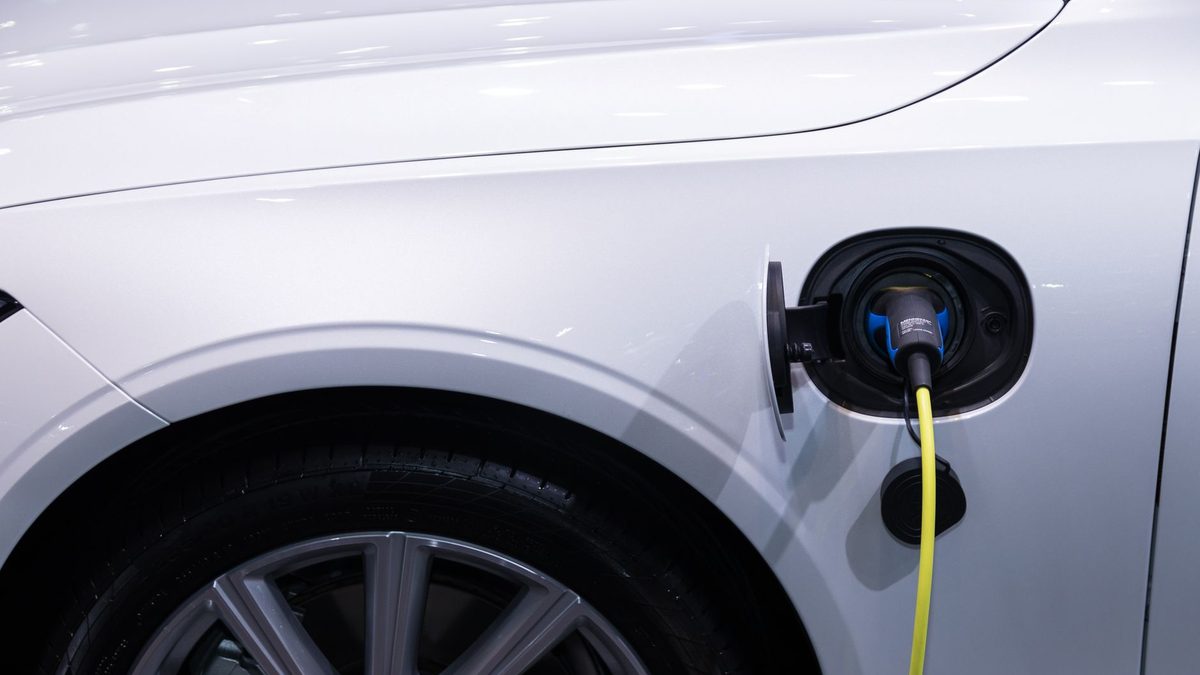
If you bought into one of Vaughan's newer subdivisions, your home is wired in your favour for EV charging. Vaughan EV Charger Pros installs across the recent builds in Vellore Village, Patterson, Kleinburg, and the newer pockets of Maple, and the pattern repeats: a 200-amp service, a garage-side panel, and tidy routes for the cable. This guide explains why those homes are easy to charge and how to set the install up so it still fits the household in a few years.
Why a newer build is the easy case
Three things make recent Vaughan homes straightforward. First, a 200-amp service is standard, which usually takes a charger without a panel upgrade. Second, the panel often sits in or beside the garage, so the run to where you park is short. Third, the framing and finishes are newer and cleaner to work with. Put together, these are the installs that finish the same day with no surprises.
The garage panel advantage
A panel in the garage a few feet from the parking spot is the single biggest cost saver in any charger job, and newer Vaughan homes frequently have exactly that. The shorter the run, the less wire and labour, and the cleaner the result. A Level 2 charger mounted near a garage panel is about as simple as a home install gets.
Confirming the 200-amp headroom
A 200-amp service is a strong starting point, but it is not a blank cheque. A large home running central air, an electric range, and other loads still deserves a quick load calculation to confirm the charger circuit fits with room to spare. We run that math before quoting, so you know the service handles the charger now and has capacity for what comes next. Where a home is the rare tight one, a panel upgrade or load management is the fix.
Planning the second EV from day one
Newer Vaughan homes are family homes, and two EVs is a realistic horizon. The smart move is to plan for it at the first install. That can mean sizing the feed for two cars, leaving panel space for a second circuit, or choosing a smart charger or Tesla setup that supports power sharing. Doing it while the first charger goes in is cheap. Coming back to retrofit it is not.
Clean routes and a tidy finish
Part of the appeal of a newer home is the chance to keep the install nearly invisible. We route the feed cleanly, use conduit where it is exposed, and mount the unit at a sensible height so the cable reaches without strain. In a finished garage that means a result that looks like it belongs, not an afterthought stapled to the wall.
Hard-wired or plug-in
Even an easy home gives you a choice. A hard-wired unit is the tidiest and supports the highest amperage on some chargers. A NEMA 14-50 outlet lets you run a plug-in charger and take the unit with you if you move. Both deliver full Level 2 speed, so we match the choice to your car and how long you plan to stay.
Permit and inspection, even on the easy ones
An easy install is still a permitted one. EV charger installation should be completed by an ESA-licensed electrical contractor, with the electrical permit and ESA inspection folded into the fixed price. On a newer home that protects the warranty picture and stands up cleanly at resale, which matters when the home is a recent purchase.
Builder-roughed conduit and EV-ready provisions
One detail unique to recent Vaughan subdivisions is worth checking before you book: many builders now rough in an EV-ready provision, whether a length of empty conduit run to the garage wall or a clearly labelled spare 240-volt circuit at the panel. Where that provision exists, your install gets even simpler, because the hardest part, getting a feed to the parking spot, is already done. We look for it during the assessment and use it where it is sound. If your home does not have one, it changes nothing about the job, it just means we run the feed ourselves the way we would on any clean newer build. Either way, a quick look at the panel legend and the garage wall tells us which starting point we have.
What to send before requesting a quote
- Your EV model and the charger you have in mind
- A photo of your panel with the door open, including any labelled spare circuit
- A photo of the garage and the spot you want the charger, plus any roughed-in conduit
- Whether a second EV is likely in the next few years
Bought a newer Vaughan home and ready to charge at home? Send your details to EV charger installers in Vaughan through the quote form and we will confirm the 200-amp headroom, plan for a second EV if you want, and return one fixed price.
Frequently asked
Are newer Vaughan homes easy to fit an EV charger?+
Generally yes. Newer subdivision homes usually have a 200-amp service, a garage-side panel, and clean framing, which add up to a fast, same-day install. A quick load calculation confirms the headroom, and most of these homes need no panel upgrade.
Does a 200-amp service mean I never need an upgrade?+
Almost never, but not quite never. A 200-amp panel takes a charger comfortably in most homes, though a large home with heavy electric loads still deserves a load calculation to confirm. We run that math before quoting so the service is verified for the charger and any second EV.
Should I plan for a second EV in a newer home?+
It is worth it. Newer Vaughan homes are family homes where two EVs is a realistic horizon. Sizing the feed, leaving panel space, or choosing a power-sharing charger at the first install is cheap, while retrofitting later is not. We plan for it during the assessment.
How long does the install take on a newer home?+
Usually the same day, often a few hours, because the panel tends to sit near the garage and the run is short. A clean route and a 200-amp service keep it simple. We confirm timing when we see your panel photo and parking spot.
Do I still need a permit on a newer home?+
Yes. Every hard-wired charger or new 240-volt outlet needs an electrical permit and an ESA inspection, regardless of how new the home is. A reputable installer includes both in the fixed price, which protects you at resale and with your insurer.